
Shanghai Modern Culture: How the Bund Meets Avant-Garde Art Scenes
- Date:
- Views:203
- Source:The Silk Road Echo
When you think of Shanghai, two images probably pop into your head: the historic skyline of the Bund and the neon-lit chaos of Pudong. But dig a little deeper, and you’ll find something even more electric — a thriving underground of avant-garde art spaces turning this megacity into Asia’s cultural heartbeat.
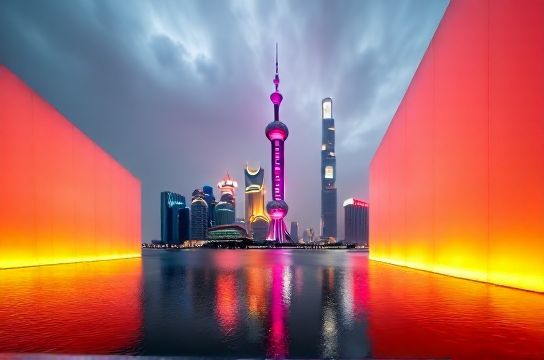
Forget stuffy galleries. In Shanghai, art is raw, experimental, and unapologetically bold. From abandoned warehouses in West Bund to pop-up installations in Jing’an, contemporary Chinese artists are redefining what modern culture means — and they’re doing it right under the shadow of colonial-era banks and glass skyscrapers.
The Bund vs. The New Wave
The Bund isn’t just a postcard. It’s a symbol — of old money, foreign influence, and architectural grandeur. But just across the Huangpu River, in West Bund and M50 art district, a new narrative is unfolding. Where once stood factories and docks, now stand immersive light shows, performance art collectives, and curated chaos.
Check out this snapshot of how tradition and rebellion coexist:
| Feature | The Bund (Traditional) | West Bund (Avant-Garde) |
|---|---|---|
| Year Established | 1840s | 2012 (art zone launch) |
| Main Attractions | Historic banks, colonial architecture | Yuz Museum, Tank Shanghai, Long Museum |
| Visitor Footfall (Annual) | ~12 million | ~3.5 million |
| Vibe | Elegant, nostalgic | Risk-taking, experimental |
Hotspots You Can’t Miss
- M50 Creative Park: Once a textile mill, now home to over 160 studios. Think graffiti-covered walls, indie curators, and painters arguing about Dadaism over baijiu.
- Tank Shanghai: Housed in repurposed WWII air-raid shelters, this space hosts mind-bending digital art. Last year’s teamLab exhibit drew over 200,000 visitors in six weeks.
- PSA (Power Station of Art): China’s first state-run contemporary art museum. Free entry, radical exhibitions — it’s like MoMA on a revolutionary diet.
Why This Matters
Shanghai isn’t just blending East and West — it’s smashing them together and seeing what sparks fly. While the Bund whispers stories of the past, these art zones scream questions about identity, technology, and freedom.
And let’s be real: the city’s creative energy is contagious. In 2023, Shanghai ranked #2 in Asia for art market growth (after Seoul), with over $800 million in auction sales. Galleries are popping up faster than bubble tea shops.
Pro Tips for Art Explorers
- Visit on weekends — many pop-ups open only Saturday-Sunday.
- Download WeChat mini-programs like ArtMap for real-time exhibition updates.
- Don’t skip artist talks — some of the best insights happen off the gallery floor.
So next time you stroll along the Bund at golden hour, don’t just look at the skyline. Turn around. Behind you, in converted tanks and silent lofts, the future of Chinese art is being painted — loud, messy, and absolutely unforgettable.