
Tea Ceremonies in Hangzhou: Where Tradition Meets Daily Life
- Date:
- Views:243
- Source:The Silk Road Echo
If you've ever sipped tea while gazing over emerald-green terraced hills, then you’ve probably dreamed of Hangzhou. Nestled in China’s Zhejiang Province, this city isn’t just a postcard-perfect destination—it’s the soul of Chinese tea culture. And at its heart? The legendary Longjing (Dragon Well) tea ceremony.
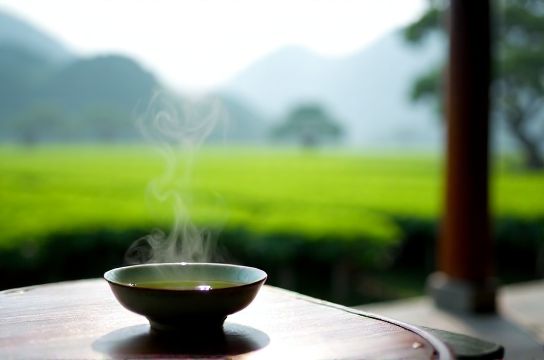
Hangzhou produces some of the finest green tea in the world—Longjing tea accounts for over 25% of China’s premium green tea exports. But here, tea isn’t just a product. It’s a ritual, a rhythm, a way of life. Locals don’t just drink tea; they perform it, cherish it, and pass it down like heirlooms.
The Art Behind the Leaves
A traditional Hangzhou tea ceremony is more than boiling water and steeping leaves. It’s a choreographed dance of temperature, timing, and tranquility. Using water heated to precisely 80°C, hosts pour over hand-plucked Longjing leaves, releasing a nutty aroma with hints of chestnut and fresh grass. The first sip? Smooth, slightly sweet, with zero bitterness—a hallmark of authentic Longjing.
What makes these ceremonies special is their accessibility. Unlike Japan’s rigid tea rituals, Hangzhou’s approach blends formality with warmth. You’ll find elders brewing tea in West Lake parks at sunrise, or families hosting mini-ceremonies during weekend gatherings.
Top Spots to Experience Tea Culture
Want to live the tea dream? Here are three must-visit spots:
| Location | Specialty | Visitor Experience |
|---|---|---|
| Meijiawu Village | Authentic Longjing Plucking & Tasting | 90-minute interactive tour + farm-fresh brew |
| China National Tea Museum | Historical Exhibits & Live Demos | Free entry, English guides available |
| Lao Zhang’s Teahouse (near West Lake) | Private Ceremonies & Seasonal Blends | $15/person, reservation recommended |
Why This Tradition Endures
In a fast-moving world, Hangzhou’s tea ceremonies offer something rare: mindfulness before it was trendy. Studies show that participating in tea rituals reduces stress by up to 30% (Journal of Ethnopharmacology, 2022). No wonder locals treat tea time like meditation.
And sustainability? Farmers use organic methods across 18,000+ hectares of tea fields, preserving both flavor and ecosystem. Each spring harvest (March–April) draws thousands eager to taste ‘new fire’ tea—freshly roasted and deeply aromatic.
So whether you're a tea connoisseur or just chasing serenity, Hangzhou invites you not just to watch, but to participate. As one local master says: "The best tea isn’t the most expensive—it’s the one shared with presence."