
Shanghai’s Cultural Evolution: From Jazz Age Glamour to Digital Future
- Date:
- Views:241
- Source:The Silk Road Echo
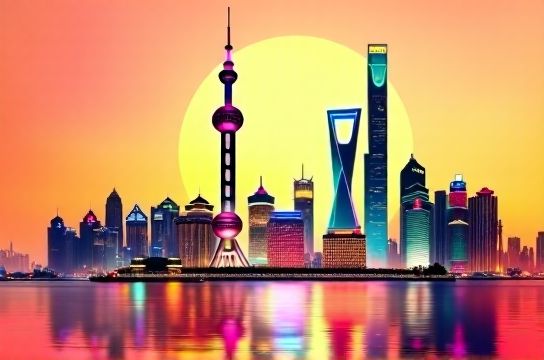
If you've ever strolled down The Bund at dusk, with the skyline glowing like a sci-fi dream, you’ve felt it—Shanghai doesn’t just change; it reinvents itself. This city is a living timeline, where 1920s jazz bars whisper beside AI-powered skyscrapers.
The Jazz Age: When Shanghai Was Asia’s Paris
In the 1920s and 30s, Shanghai was the ultimate cosmopolitan playground. Fueled by international concessions, the city became a haven for artists, writers, and musicians. Think flapper dresses, smoky cabarets, and the sultry notes of jazz drifting from clubs in the French Concession.
By 1935, over 60% of China’s publishing output came from Shanghai. It was also home to more than 30 foreign newspapers, making it the media capital of East Asia. Jazz legends like Buck Clayton even toured here, calling Shanghai 'the Harlem of the Orient.'
Post-Revolution Shift: Culture in Check
Fast forward to the mid-20th century—cultural expression took a backseat. During the Cultural Revolution (1966–1976), Western influences were suppressed. Yet, underground art and literature persisted. Old Shanghainese still recall secretly playing vinyl records of Zhou Xuan, the 'Golden Voice' of the 1930s.
Reform & Revival: The 1990s Renaissance
With Deng Xiaoping’s economic reforms, Shanghai roared back. The 1990 launch of Pudong transformed farmland into a financial epicenter. But culture followed close behind. Museums reopened, bookstores flourished, and by 2000, Shanghai hosted its first international film festival.
Today’s Scene: Where Tradition Meets Tech
Now, Shanghai blends heritage and hyper-modernity. Take Tianzifang—a maze of alleyways once slated for demolition—now a hub for indie designers and digital artists. Or M50, an old textile mill turned contemporary art district, hosting over 40 galleries and attracting 1.2 million visitors annually.
Digital innovation fuels this evolution. In 2023, Shanghai ranked #1 in China for tech startups, with AI and VR shaping new cultural experiences—from virtual reality calligraphy to NFT exhibitions at West Bund Museum.
| Era | Cultural Highlight | Key Statistic |
|---|---|---|
| 1920s–30s | Jazz & Publishing Boom | 60% of China’s books published in Shanghai |
| 1960s–70s | Cultural Suppression | Over 70% of Western music banned |
| 1990s | Art & Film Revival | First Shanghai International Film Festival: 1993 |
| 2020s | Digital Creativity | 1,800+ tech-driven creative firms in Xuhui District |
From vinyl to virtual, Shanghai’s soul remains rooted in bold self-expression. Whether you're sipping craft gin in a speakeasy or scanning QR codes at a digital art wall, you’re part of its next chapter.