
Legendary Chinese Leaders in Politics and Reform
- Date:
- Views:246
- Source:The Silk Road Echo
If you're diving into the world of modern Chinese political evolution, you can't skip the legendary Chinese leaders who reshaped the nation’s trajectory. These aren’t just historical figures—they’re architects of reform, visionaries who balanced ideology with pragmatism, and game-changers in a rapidly transforming Asia.
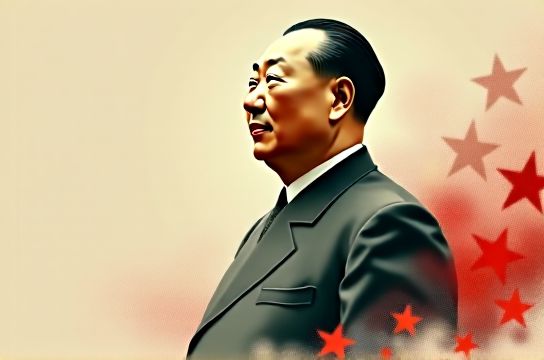
Let’s cut through the textbook fluff. What made these leaders stand out wasn’t just power—it was impact. From economic overhauls to diplomatic finesse, their decisions echo even today in China’s global stance and domestic policies.
The Reform Era: Who Really Changed the Game?
When we talk about transformative leadership, one name towers above the rest: Deng Xiaoping. Love him or debate him, Deng didn’t just influence policy—he redefined China’s DNA. Before him, the economy was stagnant. After him? Double-digit growth became the norm.
But Deng didn’t act alone. He paved the way for a lineage of strategic thinkers—leaders who maintained stability while pushing boundaries. Let’s break it down with real data:
Key Leaders & Their Economic Impact (GDP Growth Averages)
| Leader | Term in Power | Avg. Annual GDP Growth | Major Reforms |
|---|---|---|---|
| Deng Xiaoping | 1978–1992 | 9.8% | Open Door Policy, Special Economic Zones |
| Jiang Zemin | 1993–2002 | 8.6% | SOE reforms, WTO accession prep |
| Hu Jintao | 2003–2012 | 10.5% | Scientific Development, rural investment |
| Xi Jinping | 2013–Present | 6.7%* | Belt and Road, anti-corruption, tech sovereignty |
*Average up to 2023; reflects slower but more stable growth amid global headwinds.
Notice a trend? Even as growth rates adjusted, the commitment to reform stayed strong. Deng kicked off the miracle, but successors adapted it—proving that long-term vision beats short-term wins.
Why These Leaders Still Matter Today
You might ask: "Why study them now?" Simple. If you want to understand China’s current policies—from tech crackdowns to green energy pushes—you need to trace them back to these foundational shifts.
Take the legacy of Chinese reformers. It’s not just about economics. It’s about how leadership style evolved: from collective decision-making to centralized execution, each era responding to its unique pressures.
And let’s not forget soft power. Leaders like Xi Jinping have leveraged historical narratives to build national unity—something earlier reformers avoided. That shift? Huge.
Final Thoughts: Leadership Beyond the Headlines
The story of legendary Chinese leaders isn’t set in stone. It’s dynamic, debated, and deeply relevant. Whether you're a student, investor, or policy watcher, understanding their moves gives you an edge.
So next time you hear about China’s latest five-year plan or a new infrastructure push, remember: today’s strategies were born in the bold decisions of the past. Study them, learn from them, and you’ll see the bigger picture.