
Wuhan vs Chongqing Megacities on the Yangtze River
- Date:
- Views:361
- Source:The Silk Road Echo
When it comes to massive Chinese cities along the Yangtze River, two names dominate: Wuhan and Chongqing. Both are economic powerhouses, transportation hubs, and cultural hotspots — but which one offers better opportunities for business, living, or travel? Let’s break it down with real data, local insights, and a few surprises.
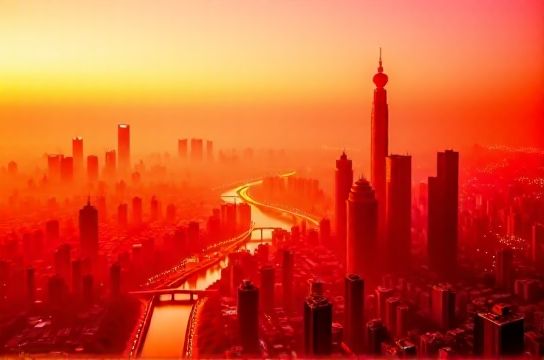
First off, size matters — and Chongqing wins by area. Covering over 82,000 km², it's technically China's largest city by administrative boundaries (yes, even bigger than some European countries). But here's the twist: most of that is rural mountain terrain. The actual urban population? Around 16 million. Meanwhile, Wuhan packs 11 million people into just 8,500 km², making it far denser and more compact.
Population & Economy at a Glance
| City | Urban Population | GDP (2023 est.) | Key Industries |
|---|---|---|---|
| Chongqing | ~16 million | $340 billion | Automotive, electronics, manufacturing |
| Wuhan | ~11 million | $260 billion | Biotech, AI, education, steel |
Chongqing’s economy thrives on heavy industry and export manufacturing — it hosts the world’s largest laptop production base. But Chongqing also faces challenges in infrastructure due to its rugged landscape. Think endless tunnels and bridges (over 10,000 of them!). Traffic can be brutal during peak hours.
Wuhan, on the other hand, is known as China’s “Chicago” — central geographically and industrially. It’s a top hub for high-speed rail, connecting Beijing to Guangzhou and Shanghai to Chengdu. If you're doing business inland, Wuhan puts you at the crossroads.
Cost of Living & Quality of Life
Renting a 1-bedroom apartment in downtown Chongqing runs about ¥3,500/month. In Wuhan? Slightly cheaper — around ¥3,000. But salaries follow suit: average monthly income in Chongqing is ¥8,200 vs. Wuhan’s ¥9,100. So financially, Wuhan edges ahead in purchasing power.
Food lovers, rejoice — both cities serve up bold flavors. Chongqing invented spicy hotpot, no debate. But Wuhan’s *reganmian* (hot dry noodles) are a breakfast staple millions swear by. Pollution-wise, Wuhan historically struggled with air quality, but recent green initiatives cut PM2.5 levels by 35% since 2018. Chongqing, shrouded in fog and humidity, still battles smog, especially in winter.
Final Verdict: Which Should You Choose?
For entrepreneurs in tech or biotech — go to Wuhan. Its cluster of universities (including Wuhan University) feeds innovation and talent. For manufacturers or those targeting Western China markets, Chongqing offers government incentives and massive industrial zones.
Tourists? Chongqing delivers jaw-dropping night views from the Nanshan Summit. Expats seeking walkability and transit ease? Wuhan’s metro spans over 400 km and growing fast.
In short: if you want raw scale and industrial grit, pick Chongqing. If you prefer efficiency, connectivity, and a slightly milder lifestyle, Wuhan might be your sweet spot.