
Qingdao Beer vs Chongqing Hotpot Drinking and Dining Cultures
- Date:
- Views:223
- Source:The Silk Road Echo
When it comes to Chinese food and drink culture, two names always pop up in late-night chats: **Qingdao Beer** and **Chongqing Hotpot**. One’s a crisp, golden lager with over a century of brewing legacy; the other’s a fiery, numbing soup that defines Sichuan cuisine. But how do they stack up when we talk about *drinking and dining culture*? Let’s dive in — no pun intended.
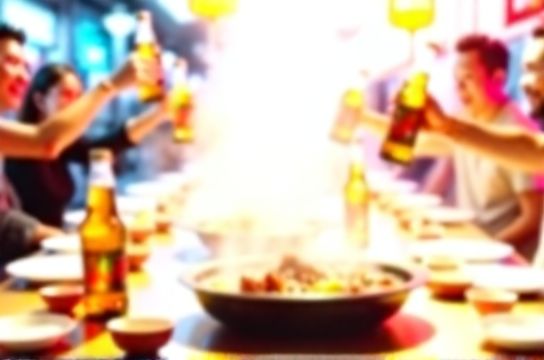
First, let’s get one thing straight: these aren’t competitors. You won’t find Qingdao Beer bubbling in a hotpot (please don’t). Instead, they represent two iconic pillars of China’s social lifestyle. One fuels the toast, the other fuels the feast.
Let’s start with numbers. According to Statista, **Qingdao Beer** sells over 80 million hectoliters annually, making it the best-selling beer in China and a top export. Meanwhile, Chongqing alone has over **30,000 hotpot restaurants**, and the national market is valued at over $70 billion — and growing fast (iiMedia Research, 2023).
Now, culture-wise, both thrive on community. Qingdao Beer was born in 1903 from German-Chinese collaboration, and its identity revolves around *jiepai* — sharing bottles among friends during meals or celebrations. It’s light (4.7% ABV), slightly sweet, and perfect for downing with seafood or bar snacks.
Chongqing Hotpot, on the other hand, is a full sensory assault. Originating in the 1920s as a way for dockworkers to cook cheap off-cuts, it evolved into a communal pot of chili oil, Sichuan peppercorns, and endless dunks of meat, tofu, and veggies. The heat? Brutal. The bonding? Unbeatable.
Here’s a quick comparison:
| Feature | Qingdao Beer | Chongqing Hotpot |
|---|---|---|
| Origin | Qingdao, Shandong (1903) | Chongqing (1920s) |
| Key Flavor | Crisp, malty, light bitterness | Spicy, numbing (mala), oily |
| Social Role | Toasting, relaxing, pairing | Communal dining, celebration |
| Annual Consumption | 80M+ hl | N/A (but 30K+ restaurants in CQ) |
So which wins in cultural impact? Honestly, neither. But here’s the twist: they’re better together. Locals in Sichuan and Chongqing often pair **ice-cold Qingdao Beer** with their blazing hotpot — the coolness cuts through the oil and spice like a pro. In fact, sales spike during winter holidays when hotpot orders soar.
If you're exploring authentic Chinese drinking culture, skipping either would be a mistake. Want balance? Go for the combo. Craving boldness? Double down on the pot. And if you're opening a restaurant? Study both — they’re blueprints for turning flavor into loyalty.
Bottom line: whether you're sipping or simmering, what matters is the shared moment. That’s the real taste of China.
For more on how tradition shapes trends, check out our guide to Asian culinary rituals.