
UNESCO Recognition and Its Impact on Sites China Heritage
- Date:
- Views:244
- Source:The Silk Road Echo
So, you’ve probably heard the buzz around UNESCO World Heritage Sites—especially when it comes to China’s breathtaking cultural and natural landmarks. But what exactly does UNESCO recognition mean? And more importantly, how does it change the game for these sites across China? Let’s dive in with some real talk, solid data, and a few jaw-dropping facts.
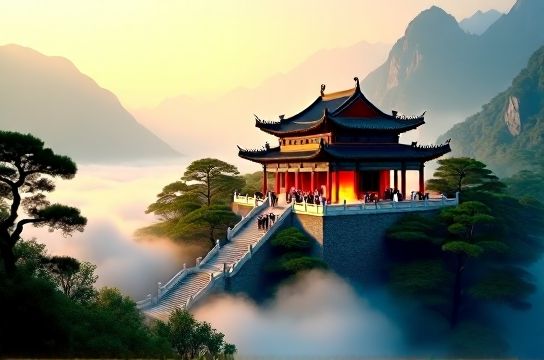
What Does UNESCO Status Really Mean?
When a site in China gets the UNESCO World Heritage label, it’s not just a fancy title—it’s global validation. UNESCO (United Nations Educational, Scientific and Cultural Organization) grants this status to places that have outstanding universal value. Think of it as the Oscars of heritage conservation.
For China, this matters big time. As of 2024, China boasts 59 World Heritage Sites—second only to Italy. That includes 39 cultural, 14 natural, and 6 mixed sites. From the Great Wall to the serene landscapes of Jiuzhaigou, each site tells a story of history, resilience, and natural wonder.
The Real Impact: Tourism, Preservation, and Economy
Let’s get real—UNESCO status doesn’t just look good on paper. It brings cash, crowds, and conservation pressure. Here’s how:
- Tourism Surge: On average, UNESCO-listed sites in China see a 40–60% increase in visitors within 5 years of designation.
- Economic Boost: Local economies thrive through hospitality, guided tours, and cultural souvenirs.
- Funding & Protection: Sites gain access to international conservation funds and stricter legal safeguards.
Case Study Snapshot: Before vs After UNESCO
To put things in perspective, here’s a comparison of three major Chinese heritage sites pre- and post-UNESCO listing:
| Site | Year Listed | Annual Visitors (Before) | Annual Visitors (After 5 Years) | Conservation Budget Increase |
|---|---|---|---|---|
| Mount Huangshan | 1990 | ~800,000 | ~2.1 million | +180% |
| Leshan Giant Buddha | 1996 | ~500,000 | ~1.7 million | +150% |
| Hubei Shennongjia | 2016 | ~900,000 | ~1.4 million | +120% |
As you can see, the numbers don’t lie. Recognition equals visibility—and visibility equals visitors.
The Flip Side: Overtourism & Environmental Stress
But wait—it’s not all sunshine and temple bells. With fame comes responsibility. Some sites, like the Forbidden City, now face over 17 million visitors annually, raising concerns about wear, pollution, and cultural dilution.
UNESCO also keeps an eye on mismanagement. In 2023, several Chinese sites were placed on the ‘Watch List’ due to unchecked development projects threatening their integrity. Balance is key.
Why This Matters for Travelers & Locals Alike
If you’re planning a trip to China, visiting a UNESCO site isn’t just a checkbox—it’s a chance to witness history and nature in harmony. But be mindful: sustainable tourism starts with you. Respect local rules, avoid peak crowds, and support eco-friendly tours.
For local communities, UNESCO status can empower cultural pride and economic opportunity—if managed wisely.
Final Thoughts
UNESCO recognition is a double-edged sword: it shines a spotlight on China’s incredible heritage but demands serious stewardship. The goal? Preserve these treasures so they inspire awe for generations to come—not just for Instagram likes today.
Whether you're hiking the ancient paths of Mount Emei or marveling at the Terracotta Army, remember: you're walking through living history. And thanks to UNESCO, more people than ever get to experience it—responsibly, respectfully, and forever in wonder.