
UNESCO Sites China Reflecting Centuries of Wisdom
- Date:
- Views:217
- Source:The Silk Road Echo
China is like that super-wise elder in the family — full of stories, secrets, and centuries of game-changing wisdom. And if you want to truly understand its soul, you’ve gotta visit its UNESCO World Heritage Sites. These aren’t just pretty places with fancy names; they’re living testaments to China’s unmatched history, culture, and engineering genius.
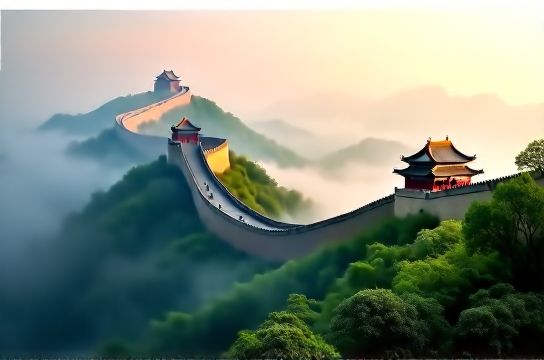
With over 50 UNESCO sites scattered across the country, from misty mountains to ancient cities frozen in time, China offers a journey through dynasties, philosophies, and breathtaking landscapes. Let’s dive into some of the most iconic ones — where every stone tells a story.
The Great Wall: More Than Just Bricks
You’ve seen it in movies, on postcards, and probably in your dreams. But standing on the Great Wall isn’t just about the view — it’s about feeling the weight of 2,300 years of history under your feet. Stretching over 21,000 kilometers, this marvel wasn’t built in a day (or even a century). It’s a patchwork of walls constructed by multiple dynasties, mainly the Ming, to protect China from northern invasions.
The Forbidden City: Imperial Power in Every Tile
Sitting right in the heart of Beijing, the Forbidden City was home to 24 emperors across nearly 500 years. With 980 surviving buildings and over 8,700 rooms, this palace complex is a masterclass in symmetry, symbolism, and sheer scale. Fun fact? No nails were used in traditional construction — just interlocking wooden beams held together by ancient Chinese carpentry magic.
Mount Emei & Leshan Giant Buddha: Nature Meets Spirituality
In Sichuan Province, Mount Emei rises like a spiritual giant, covered in temples and tea gardens. But the real showstopper? The Leshan Giant Buddha — a 71-meter-tall statue carved into a cliff during the 8th century. It took 90 years to complete and has been watching over the confluence of three rivers ever since.
| Site | Year Inscribed | Type | Location |
|---|---|---|---|
| Great Wall | 1987 | Cultural | Northern China |
| Forbidden City | 1987 | Cultural | Beijing |
| Leshan Giant Buddha | 1996 | Cultural | Sichuan |
| Yellow Mountain (Huangshan) | 1990 | Mixed | Anhui |
| Yin Xu (Ruins of Anyang) | 2006 | Cultural | Henan |
Why These Sites Matter Today
These aren’t relics stuck in the past. They’re cultural powerhouses driving tourism, education, and national pride. In 2023 alone, the Forbidden City welcomed over 17 million visitors. The Great Wall? Roughly 10 million annually. These numbers aren’t just impressive — they reflect a global fascination with China’s enduring legacy.
Beyond tourism, these sites inspire modern architecture, environmental policies, and even digital preservation projects using AI and 3D scanning.
Travel Tips for the Modern Explorer
- Best Time to Visit: Spring (April–May) and Autumn (September–October) offer mild weather and fewer crowds.
- Beat the Crowd: Go early in the morning or late afternoon, especially at popular spots like the Forbidden City.
- Local Insight: Hire a bilingual guide — stories about emperors, monks, and ancient builders bring the stones to life.
China’s UNESCO sites are more than destinations — they’re conversations across time. Whether you're hiking the Great Wall at sunrise or meditating in a mountain temple, you’re not just visiting history. You’re becoming part of it.